
PRIVATE · Paris, France
Ledger
The physical "vault" manufacturer that turned the nightmare of losing your private keys into an elegant, secure hardware experience.
Live Price
—
Today
—
Symbol
PRIVATE
2014
The hardware-security revolution
In the early era of crypto, users were losing billions of dollars worth of assets to exchange hacks and computer viruses. Ledger founders identified that the only way to be truly secure was to keep "private keys" physically offline, separated from any device connected to the internet. They built the first high-security hardware wallets, essentially creating a personal, digital vault that the user could carry in their pocket.
2017
The retail security standard
Ledger’s compact, USB-like wallets became the industry standard for "cold storage." By combining high-end security chips (the same used in banking cards) with an easy-to-use software interface, the company brought advanced cryptography to the average retail user. It allowed millions of people to stop keeping their money on centralized, hack-prone exchanges and finally "be their own bank," with total control over their assets.
2021
The software-service pivot
Ledger moved beyond selling just hardware, launching "Ledger Live," an all-in-one software ecosystem where users could manage, stake, and swap their assets directly from their device. This transformed Ledger from a simple manufacturer into a comprehensive financial-security platform, keeping users locked into its ecosystem and providing a recurring stream of service-based revenue.
2024
The digital identity and recovery infrastructure
The company tackled the problem of "key loss" by introducing sophisticated recovery and backup services. By leveraging its global security infrastructure, Ledger developed secure ways to help users regain access to their digital lives without compromising the "self-custody" promise. This shift turned the brand from a hardware-only player into a necessary, multi-layered cybersecurity institution for digital asset holders.
2026
The vault of the digital economy
By mid-2026, Ledger is the global leader in physical digital-asset security. Its hardware wallets are ubiquitous, and its ecosystem is the primary way that both retail users and institutions secure their high-value assets. Under the current board, the company has successfully moved from a niche hardware project to an essential, global provider of cryptographic infrastructure for the digital age.
Frequently Asked Questions
Who founded Ledger?
Ledger was founded by Éric Larchevêque, Thomas France, Joel Pobeda, Nicolas Bacca.
When was Ledger founded?
Ledger was founded in 2014.
Where was Ledger founded?
Ledger was headquartered in Paris, France.
Why was Ledger created?
In the early era of crypto, users were losing billions of dollars worth of assets to exchange hacks and computer viruses. Ledger founders identified that the only way to be truly secure was to keep "private keys" physically offline, separated from any device connected to the internet. They built the first high-security hardware wallets, essentially creating a personal, digital vault that the user could carry in their pocket.
What does Ledger do?
The physical "vault" manufacturer that turned the nightmare of losing your private keys into an elegant, secure hardware experience. Uncover the story of Ledger, the security giant that revolutionized personal digital asset custody through its high-end, offline physical vaults.
How did Ledger grow?
By mid-2026, Ledger is the global leader in physical digital-asset security. Its hardware wallets are ubiquitous, and its ecosystem is the primary way that both retail users and institutions secure their high-value assets. Under the current board, the company has successfully moved from a niche hardware project to an essential, global provider of cryptographic infrastructure for the digital age.
Tools & Platforms
For Investors
The market doesn't care about your feelings.
But your broker's fees do.
But your broker's fees do.
Most people have a brokerage account. Fewer understand what it really costs them — in spreads, in fees, in missed instruments. Malta-regulated, direct market access, 600,000+ instruments.
Exante
Malta MFSA · 50 exchanges
Tickmill
Forex from 0.0 pips
Vantage
Multi-asset trading
Polymarket
Prediction markets
For Entrepreneurs
Opening a US company costs $300.
Most people think it's complicated. It isn't.
Most people think it's complicated. It isn't.
Most founders spend weeks on formation, banking and payments. The ones who move fast know which tools to use before they start. A US LLC, a real business account, and a way to pay people — in that order.
Mercury
Business finance · 300K+ founders
Doola
US LLC formation · YC backed
Melio
B2B payments
Xero 95% OFF
Accounting · 6 months
For C-Suite
Your competitor pays $200 less per month for EOR.
You're still on a spreadsheet.
You're still on a spreadsheet.
BVNK hired 20% of its workforce through Deel. The smartest operators aren't managing payroll complexity — they're outsourcing it. EOR in 150+ countries, multi-currency accounts, workforce payments at $200 less per month than competitors.
Deel
EOR · 150+ countries
Payoneer
$399/mo EOR · Save $200
Wise Business
40+ currencies · No hidden fees
Gusto
US payroll & benefits
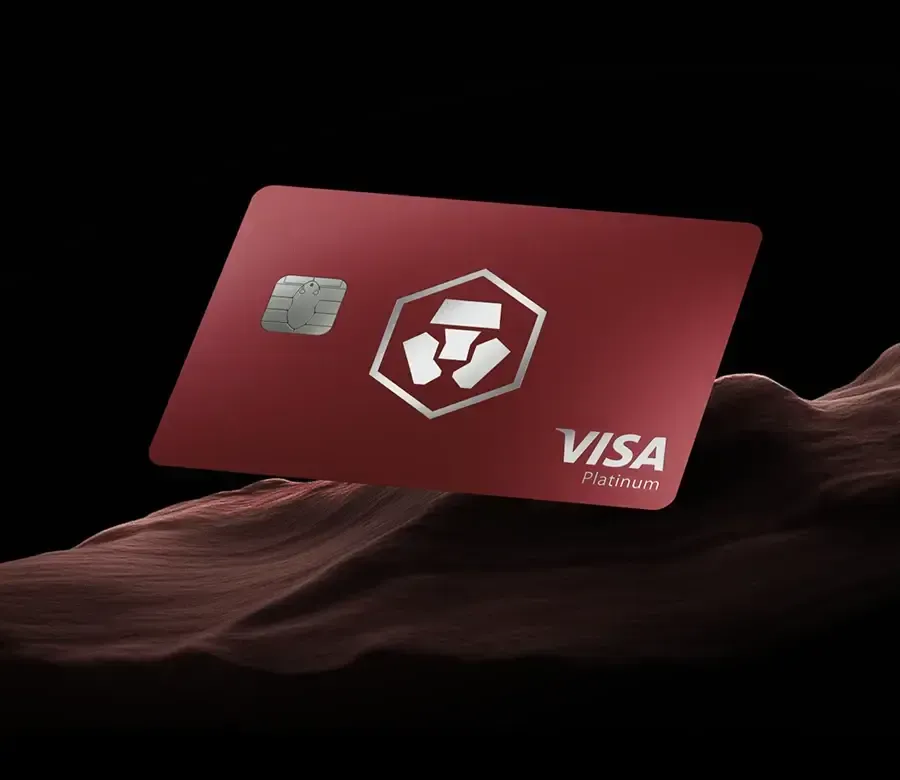
PLUS
2.0%
back in crypto · on every spend
€3.99 / month
or €39.90/year (€3.32/month)
Zero trading fees up to $20K/month
2.0% back in crypto on card spend
0% foreign exchange fees
EUR Cash Yield up to 1.35% p.a.
CRO Yield up to 2.00% p.a.
Virtual Visa card · Flexible cancel
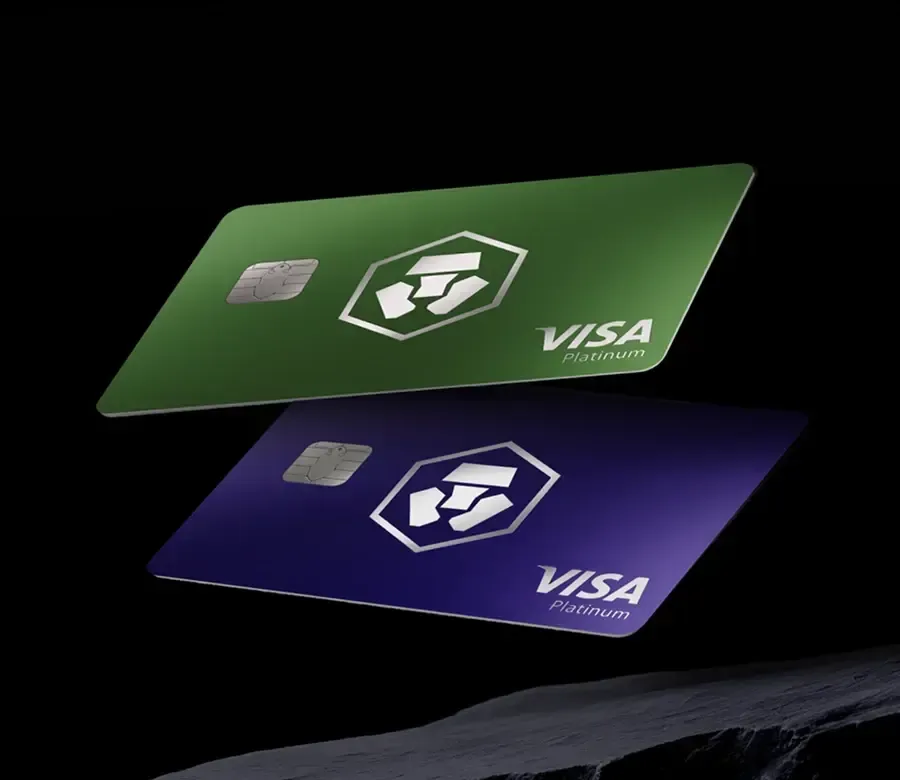
PRO
3.0%
back in crypto · on every spend
€24.99 / month
or €249.90/year (€20.82/month)
Zero trading fees up to $50K/month
3.0% back in crypto on card spend
0% foreign exchange fees
EUR Cash Yield up to 1.70% p.a.
CRO Yield up to 2.50% p.a.
Airport lounge access (Priority Pass)
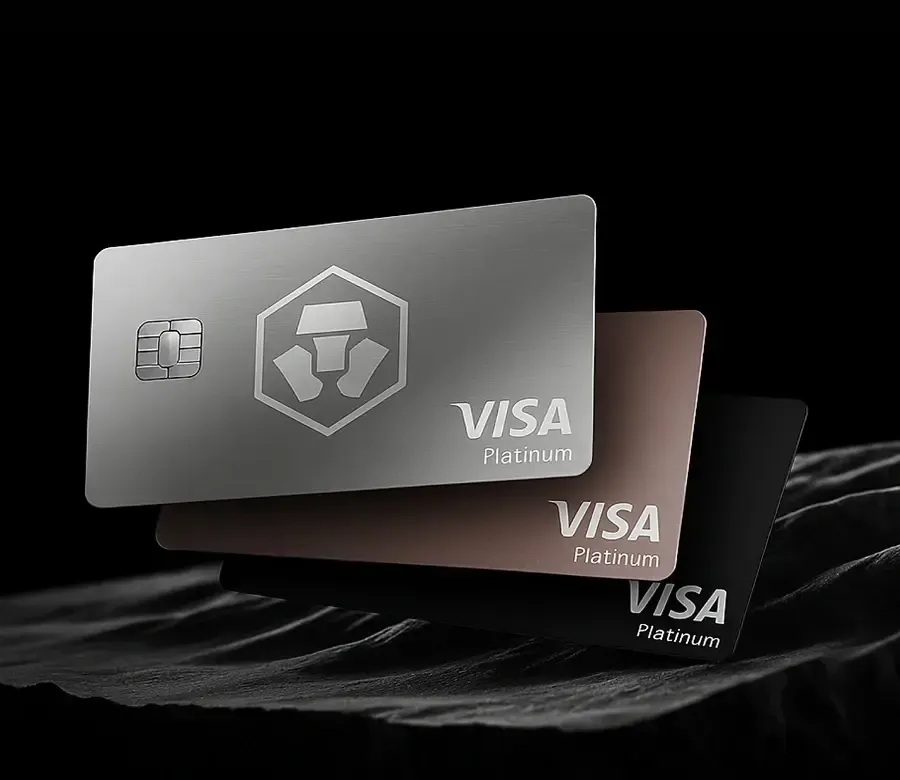
PRIVATE
4–6%
back in crypto · on every spend
CRO Lockup from €45,000
8.5% yield · 12-month staking · €450K tier at 9.5%
Zero trading fees · Unlimited volume
4.0%–6.0% back in crypto
0% foreign exchange fees
EUR Cash Yield up to 1.80% p.a.
Extra 1% p.a. on Earn allocations in CRO
VIP events · Exclusive experiences
8.5% CRO lockup rewards