
XRP · San Francisco, California
Ripple Labs
The institutional bridge designed to replace the slow, opaque, multi-day legacy system of global bank settlements.
Live Price
—
Today
—
Symbol
XRP
2012
The cross-border settlement vision
Ripple was founded with the singular goal of fixing the outdated, expensive, and slow "SWIFT" banking network. Using the XRP Ledger, Ripple created a solution that allowed financial institutions to settle cross-border payments in seconds rather than days, using the XRP token as a "bridge asset" to facilitate liquidity. It was an ambitious, direct challenge to the fundamental architecture of the global banking system.
2017
The enterprise financial network
Ripple pivoted from being just an "alternative currency" to a software provider for banks. By selling its ODL (On-Demand Liquidity) software to traditional financial players, Ripple integrated itself into the heart of the banking industry. The strategy was to convince cautious, risk-averse financial institutions that blockchain was not a threat, but a highly efficient tool for reducing their operating costs.
2020
The SEC regulatory war
Ripple found itself at the center of the largest, most significant legal battle in the history of crypto when the US Securities and Exchange Commission (SEC) sued the company, alleging that XRP was an unregistered security. The multi-year, multi-million-dollar defense became a battle for the soul of the industry, with Ripple successfully fighting to clarify that its token did not fit the restrictive definitions the SEC attempted to impose.
2024
The regulatory clarity breakthrough
Following a landmark court ruling that provided significant clarity on the status of its token, Ripple entered a new phase of growth. With the "legal cloud" finally lifting, the company was able to aggressively re-expand its enterprise network in the US and internationally. The win signaled to other institutions that Ripple’s technology was safe to adopt, accelerating the integration of its settlement network into global bank workflows.
2026
The settlement layer for modern finance
By mid-2026, Ripple has successfully transitioned into a primary settlement layer for cross-border payments. Its technology is deeply integrated into global financial systems, handling trillions of dollars in value for its banking partners. Ripple remains the most important bridge between legacy fiat-based banking and the new, faster world of digital-asset-backed finance.
Frequently Asked Questions
Who founded Ripple Labs?
Ripple Labs was founded by Chris Larsen, Jed McCaleb.
When was Ripple Labs founded?
Ripple Labs was founded in 2012.
Where was Ripple Labs founded?
Ripple Labs was headquartered in San Francisco, California.
Why was Ripple Labs created?
Ripple was founded with the singular goal of fixing the outdated, expensive, and slow "SWIFT" banking network. Using the XRP Ledger, Ripple created a solution that allowed financial institutions to settle cross-border payments in seconds rather than days, using the XRP token as a "bridge asset" to facilitate liquidity. It was an ambitious, direct challenge to the fundamental architecture of the global banking system.
What does Ripple Labs do?
The institutional bridge designed to replace the slow, opaque, multi-day legacy system of global bank settlements. Explore the story of Ripple, from its challenge to the legacy banking system to its landmark legal battle and status as a global settlement engine.
How did Ripple Labs grow?
By mid-2026, Ripple has successfully transitioned into a primary settlement layer for cross-border payments. Its technology is deeply integrated into global financial systems, handling trillions of dollars in value for its banking partners. Ripple remains the most important bridge between legacy fiat-based banking and the new, faster world of digital-asset-backed finance.
Tools & Platforms
For Investors
The market doesn't care about your feelings.
But your broker's fees do.
But your broker's fees do.
Most people have a brokerage account. Fewer understand what it really costs them — in spreads, in fees, in missed instruments. Malta-regulated, direct market access, 600,000+ instruments.
Exante
Malta MFSA · 50 exchanges
Tickmill
Forex from 0.0 pips
Vantage
Multi-asset trading
Polymarket
Prediction markets
For Entrepreneurs
Opening a US company costs $300.
Most people think it's complicated. It isn't.
Most people think it's complicated. It isn't.
Most founders spend weeks on formation, banking and payments. The ones who move fast know which tools to use before they start. A US LLC, a real business account, and a way to pay people — in that order.
Mercury
Business finance · 300K+ founders
Doola
US LLC formation · YC backed
Melio
B2B payments
Xero 95% OFF
Accounting · 6 months
For C-Suite
Your competitor pays $200 less per month for EOR.
You're still on a spreadsheet.
You're still on a spreadsheet.
BVNK hired 20% of its workforce through Deel. The smartest operators aren't managing payroll complexity — they're outsourcing it. EOR in 150+ countries, multi-currency accounts, workforce payments at $200 less per month than competitors.
Deel
EOR · 150+ countries
Payoneer
$399/mo EOR · Save $200
Wise Business
40+ currencies · No hidden fees
Gusto
US payroll & benefits

PLUS
2.0%
back in crypto · on every spend
€3.99 / month
or €39.90/year (€3.32/month)
Zero trading fees up to $20K/month
2.0% back in crypto on card spend
0% foreign exchange fees
EUR Cash Yield up to 1.35% p.a.
CRO Yield up to 2.00% p.a.
Virtual Visa card · Flexible cancel

PRO
3.0%
back in crypto · on every spend
€24.99 / month
or €249.90/year (€20.82/month)
Zero trading fees up to $50K/month
3.0% back in crypto on card spend
0% foreign exchange fees
EUR Cash Yield up to 1.70% p.a.
CRO Yield up to 2.50% p.a.
Airport lounge access (Priority Pass)
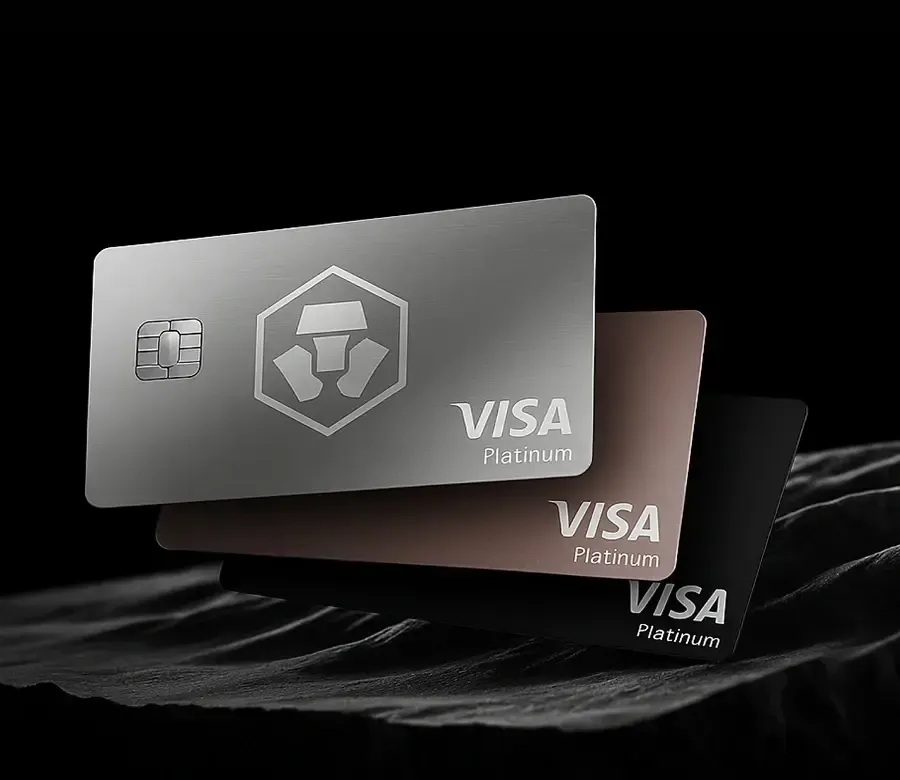
PRIVATE
4–6%
back in crypto · on every spend
CRO Lockup from €45,000
8.5% yield · 12-month staking · €450K tier at 9.5%
Zero trading fees · Unlimited volume
4.0%–6.0% back in crypto
0% foreign exchange fees
EUR Cash Yield up to 1.80% p.a.
Extra 1% p.a. on Earn allocations in CRO
VIP events · Exclusive experiences
8.5% CRO lockup rewards