
CRM · San Francisco, California
Slack
A failed multiplayer online video game that accidentally turned corporate communication into an addictive, multi-billion dollar chat factory.
Live Price
—
Today
—
Symbol
CRM
2013
The ashes of Glitch and the accidental enterprise communication breakthrough
Slack's origins trace back to Tiny Speck, a company built by Flickr co-founder Stewart Butterfield to launch an eccentric, non-violent web-based multiplayer game called Glitch. The game flopped catastrophically and was completely shut down in late 2012, forcing Butterfield to lay off almost his entire staff. However, the engineering team realized that the highly customized internal IRC chat tool they had built to communicate across different cities was incredibly fast and addictive. They pivoted the remaining capital entirely to commercialize the tool, launching it as Slack (Searchable Log of All Conversation and Knowledge).
2016
The arrogant New York Times open letter to Microsoft Teams
When rumors surfaced that tech giant Microsoft was planning to launch a competing enterprise chat tool called Teams, Slack executed a notoriously arrogant, highly public marketing stunt. The company bought a full-page open letter advertisement in The New York Times, condescendingly welcoming Microsoft to the market and bragging that building a deeply loved communication tool required a level of craft they couldn't easily copy. The public stunt completely backfired as Microsoft aggressively weaponized its pre-existing enterprise Office 365 bundling advantages, launching a massive existential assault that quickly eroded Slack's market share growth.
2020
The defensive $27.7 billion Marc Benioff Salesforce acquisition lifeline
Confronted by the unstoppable, hyper-aggressive distribution power of Microsoft Teams during the remote-work boom, Slack realized it lacked the enterprise sales muscle to survive as a standalone entity. In December 2020, Marc Benioff orchestrated a historic $27.7 billion cash-and-stock acquisition to absorb Slack directly into Salesforce. The massive transaction provided Slack with an immediate enterprise sales pipeline while giving Salesforce a modern, collaborative user interface layer to tie its diverse CRM software products together.
2023
The sudden founder exodus and the aggressive Salesforce operational alignment
Within two years of the acquisition closing, almost the entire original creative leadership of Slack, including visionary founder Stewart Butterfield and co-founder Cal Henderson, abruptly exited Salesforce. Benioff replaced the independent product-focused management team with hard-nosed Salesforce veteran Lidiane Jones, who immediately realigned Slack's internal culture. The new regime slashed operational overhead, initiated aggressive price increases across historical customer tiers, and restructured the product to act as a primary dashboard for Salesforce data workflows.
2026
The complete AI workflow integration and the omnipresent corporate hub
By mid-2026, Slack Technologies functioned as the central operating hub for the broader Salesforce ecosystem, deeply integrated into multi-billion dollar enterprise software rollouts. Under the expanded Salesforce framework, the platform deployed advanced Slack AI features, allowing corporate employees to instantly generate conversational summaries of complex multi-channel discussions and automate repetitive corporate workflows. The addictive chat layout successfully maintained its status as the default digital workspace for knowledge workers globally.
Frequently Asked Questions
Who founded Slack?
Slack was founded by Stewart Butterfield, Eric Costello, Cal Henderson, Serguei Mourachov.
When was Slack founded?
Slack was founded in 2013 (Metamorphosed from Tiny Speck, origins from 2009).
Where was Slack founded?
Slack was headquartered in San Francisco, California.
Why was Slack created?
Slack's origins trace back to Tiny Speck, a company built by Flickr co-founder Stewart Butterfield to launch an eccentric, non-violent web-based multiplayer game called Glitch. The game flopped catastrophically and was completely shut down in late 2012, forcing Butterfield to lay off almost his entire staff. However, the engineering team realized that the highly customized internal IRC chat tool they had built to communicate across different cities was incredibly fast and addictive. They pivoted the remaining capital entirely to commercialize the tool, launching it as Slack (Searchable Log of All Conversation and Knowledge).
What does Slack do?
A failed multiplayer online video game that accidentally turned corporate communication into an addictive, multi-billion dollar chat factory. Discover how Slack rose from the ashes of a failed online video game, challenged Microsoft in a full-page ad war, and executed a historic $27.7 billion sale.
How did Slack grow?
By mid-2026, Slack Technologies functioned as the central operating hub for the broader Salesforce ecosystem, deeply integrated into multi-billion dollar enterprise software rollouts. Under the expanded Salesforce framework, the platform deployed advanced Slack AI features, allowing corporate employees to instantly generate conversational summaries of complex multi-channel discussions and automate repetitive corporate workflows. The addictive chat layout successfully maintained its status as the default digital workspace for knowledge workers globally.
Tools & Platforms
For Investors
The market doesn't care about your feelings.
But your broker's fees do.
But your broker's fees do.
Most people have a brokerage account. Fewer understand what it really costs them — in spreads, in fees, in missed instruments. Malta-regulated, direct market access, 600,000+ instruments.
Exante
Malta MFSA · 50 exchanges
Tickmill
Forex from 0.0 pips
Vantage
Multi-asset trading
Polymarket
Prediction markets
For Entrepreneurs
Opening a US company costs $300.
Most people think it's complicated. It isn't.
Most people think it's complicated. It isn't.
Most founders spend weeks on formation, banking and payments. The ones who move fast know which tools to use before they start. A US LLC, a real business account, and a way to pay people — in that order.
Mercury
Business finance · 300K+ founders
Doola
US LLC formation · YC backed
Melio
B2B payments
Xero 95% OFF
Accounting · 6 months
For C-Suite
Your competitor pays $200 less per month for EOR.
You're still on a spreadsheet.
You're still on a spreadsheet.
BVNK hired 20% of its workforce through Deel. The smartest operators aren't managing payroll complexity — they're outsourcing it. EOR in 150+ countries, multi-currency accounts, workforce payments at $200 less per month than competitors.
Deel
EOR · 150+ countries
Payoneer
$399/mo EOR · Save $200
Wise Business
40+ currencies · No hidden fees
Gusto
US payroll & benefits
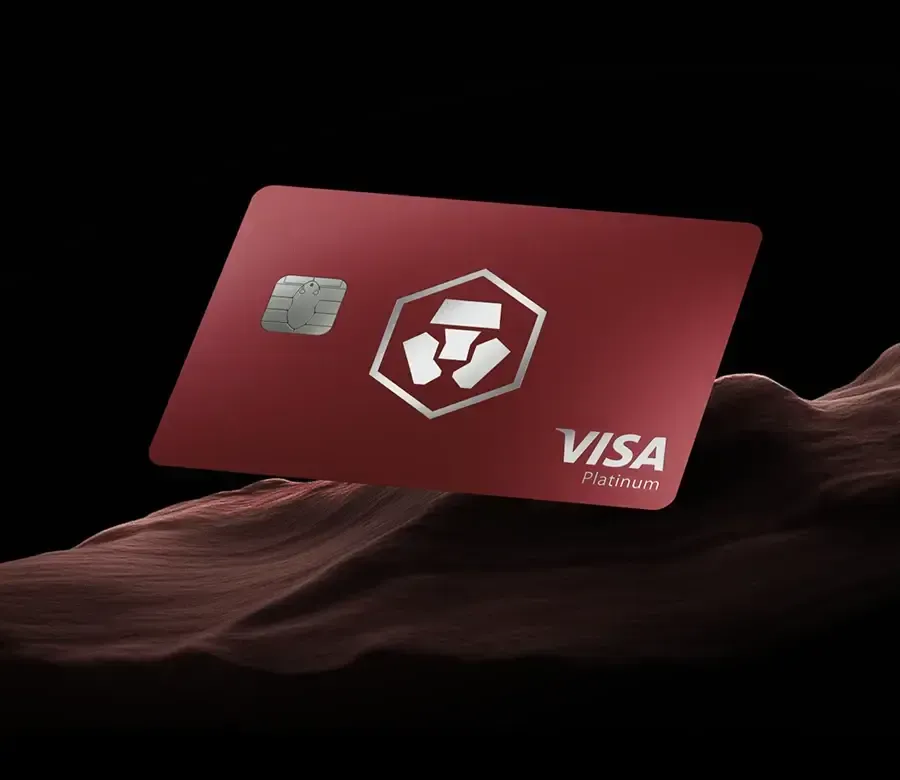
PLUS
2.0%
back in crypto · on every spend
€3.99 / month
or €39.90/year (€3.32/month)
Zero trading fees up to $20K/month
2.0% back in crypto on card spend
0% foreign exchange fees
EUR Cash Yield up to 1.35% p.a.
CRO Yield up to 2.00% p.a.
Virtual Visa card · Flexible cancel

PRO
3.0%
back in crypto · on every spend
€24.99 / month
or €249.90/year (€20.82/month)
Zero trading fees up to $50K/month
3.0% back in crypto on card spend
0% foreign exchange fees
EUR Cash Yield up to 1.70% p.a.
CRO Yield up to 2.50% p.a.
Airport lounge access (Priority Pass)
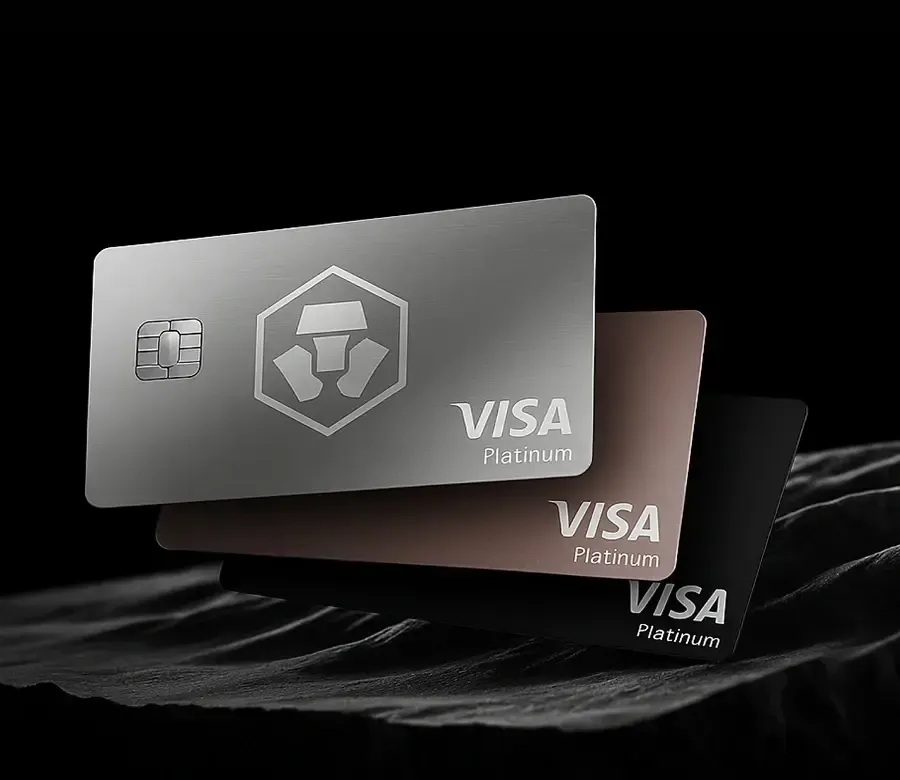
PRIVATE
4–6%
back in crypto · on every spend
CRO Lockup from €45,000
8.5% yield · 12-month staking · €450K tier at 9.5%
Zero trading fees · Unlimited volume
4.0%–6.0% back in crypto
0% foreign exchange fees
EUR Cash Yield up to 1.80% p.a.
Extra 1% p.a. on Earn allocations in CRO
VIP events · Exclusive experiences
8.5% CRO lockup rewards
Also in The Garage