
Private (Scott Trust Limited) · London, United Kingdom
The Guardian
Founded by cotton merchants in Manchester in 1821. Owned by a non-profit trust since 1936. Never had a paywall. 1.3 million recurring supporters.
Live Price
—
Today
—
Symbol
Private (Scott Trust Limited)
1821
Manchester cotton merchants and the day Napoleon died
The Manchester Guardian was founded on May 5, 1821 by John Edward Taylor — a cotton merchant — with backing from a group of Manchester Nonconformist businesspeople who wanted a newspaper independent of the political and commercial pressures that shaped the era's press. The founding date coincided by chance with the day of Napoleon Bonaparte's death. The paper positioned itself as a serious, reformist voice in the industrial north of England, reflecting the interests of the educated middle class rather than the aristocracy or the working class's radical agitation. Taylor believed in the power of reasoned argument over inflammatory rhetoric.
1936
The Scott Trust — editorial independence in perpetuity
John Russell Scott, whose family had owned the Manchester Guardian since C.P. Scott purchased it in 1907, created the Scott Trust in 1936 with a single purpose: to secure the financial and editorial independence of The Guardian in perpetuity. The Trust's constitution required that profits be reinvested in journalism rather than distributed to owners or shareholders. No individual could profit from ownership of The Guardian. The structure made the paper uniquely resistant to the commercial pressures and owner-editorial interference that shaped the rest of the British press. The Trust was converted to a limited company in 2008 but maintained its constitutional protections.
1972
The Watergate and Pentagon Papers generation — global serious journalism
The Guardian expanded internationally from the 1960s onwards, building an online audience that extended far beyond its British print readership. Its commitment to investigative journalism — WikiLeaks (2010), NSA surveillance revelations through Edward Snowden (2013), the Panama Papers (2016) — gave it global relevance and a readership of progressive readers in the United States, Europe, and Australia that dwarfed its UK print circulation. The Guardian became the most-read quality newspaper in the world in terms of digital unique visitors during this period.
2011
Free online — forever — and the reader contribution model
The Guardian made the deliberate decision never to implement a paywall, arguing that its public interest journalism should be freely accessible to everyone who needed it. Instead, it appealed directly to readers who valued free journalism to contribute financially. The model — described as reader-supported rather than subscription-based — generated revenues from voluntary contributions, advertising, and events. Critics questioned its financial sustainability; supporters argued it was the only model consistent with The Guardian's founding principles. The paper ran significant annual losses for years, sustained by the Scott Trust Endowment Fund.
2024
1.3 million recurring supporters — £275.9M revenue — Observer sold to Tortoise
Guardian Media Group reported £275.9 million in revenues for 2024-25, with 72% from digital sources. The paper had over 1.3 million recurring digital supporters globally — readers who contribute monthly or annually without receiving an exclusive paywall product in return. Guardian News & Media's news operations continued to run at a loss, sustained by the Scott Trust Endowment Fund valued at £1.24 billion. In a controversial move, Guardian Media Group sold The Observer — the world's oldest Sunday newspaper, founded 1791 — to Tortoise Media in April 2025. Guardian journalists voted to condemn the sale and passed a vote of no confidence in the paper's owners. The Guardian remained ad-free, paywall-free, and owner-free.
Frequently Asked Questions
Who founded The Guardian?
The Guardian was founded by John Edward Taylor.
When was The Guardian founded?
The Guardian was founded in 1821.
Where was The Guardian founded?
The Guardian was headquartered in London, United Kingdom.
Why was The Guardian created?
The Manchester Guardian was founded on May 5, 1821 by John Edward Taylor — a cotton merchant — with backing from a group of Manchester Nonconformist businesspeople who wanted a newspaper independent of the political and commercial pressures that shaped the era's press. The founding date coincided by chance with the day of Napoleon Bonaparte's death. The paper positioned itself as a serious, reformist voice in the industrial north of England, reflecting the interests of the educated middle class rather than the aristocracy or the working class's radical agitation. Taylor believed in the power of reasoned argument over inflammatory rhetoric.
What does The Guardian do?
Founded by cotton merchants in Manchester in 1821. Owned by a non-profit trust since 1936. Never had a paywall. 1.3 million recurring supporters. Founded by Manchester cotton merchants in 1821. Owned by a non-profit trust since 1936. Never had a paywall. 1.3 million voluntary supporters. The full story of The Guardian.
How did The Guardian grow?
Guardian Media Group reported £275.9 million in revenues for 2024-25, with 72% from digital sources. The paper had over 1.3 million recurring digital supporters globally — readers who contribute monthly or annually without receiving an exclusive paywall product in return. Guardian News & Media's news operations continued to run at a loss, sustained by the Scott Trust Endowment Fund valued at £1.24 billion. In a controversial move, Guardian Media Group sold The Observer — the world's oldest Sunday newspaper, founded 1791 — to Tortoise Media in April 2025. Guardian journalists voted to condemn the sale and passed a vote of no confidence in the paper's owners. The Guardian remained ad-free, paywall-free, and owner-free.
Tools & Platforms
For Investors
The market doesn't care about your feelings.
But your broker's fees do.
But your broker's fees do.
Most people have a brokerage account. Fewer understand what it really costs them — in spreads, in fees, in missed instruments. Malta-regulated, direct market access, 600,000+ instruments.
Exante
Malta MFSA · 50 exchanges
Tickmill
Forex from 0.0 pips
Vantage
Multi-asset trading
Polymarket
Prediction markets
For Entrepreneurs
Opening a US company costs $300.
Most people think it's complicated. It isn't.
Most people think it's complicated. It isn't.
Most founders spend weeks on formation, banking and payments. The ones who move fast know which tools to use before they start. A US LLC, a real business account, and a way to pay people — in that order.
Mercury
Business finance · 300K+ founders
Doola
US LLC formation · YC backed
Melio
B2B payments
Xero 95% OFF
Accounting · 6 months
For C-Suite
Your competitor pays $200 less per month for EOR.
You're still on a spreadsheet.
You're still on a spreadsheet.
BVNK hired 20% of its workforce through Deel. The smartest operators aren't managing payroll complexity — they're outsourcing it. EOR in 150+ countries, multi-currency accounts, workforce payments at $200 less per month than competitors.
Deel
EOR · 150+ countries
Payoneer
$399/mo EOR · Save $200
Wise Business
40+ currencies · No hidden fees
Gusto
US payroll & benefits
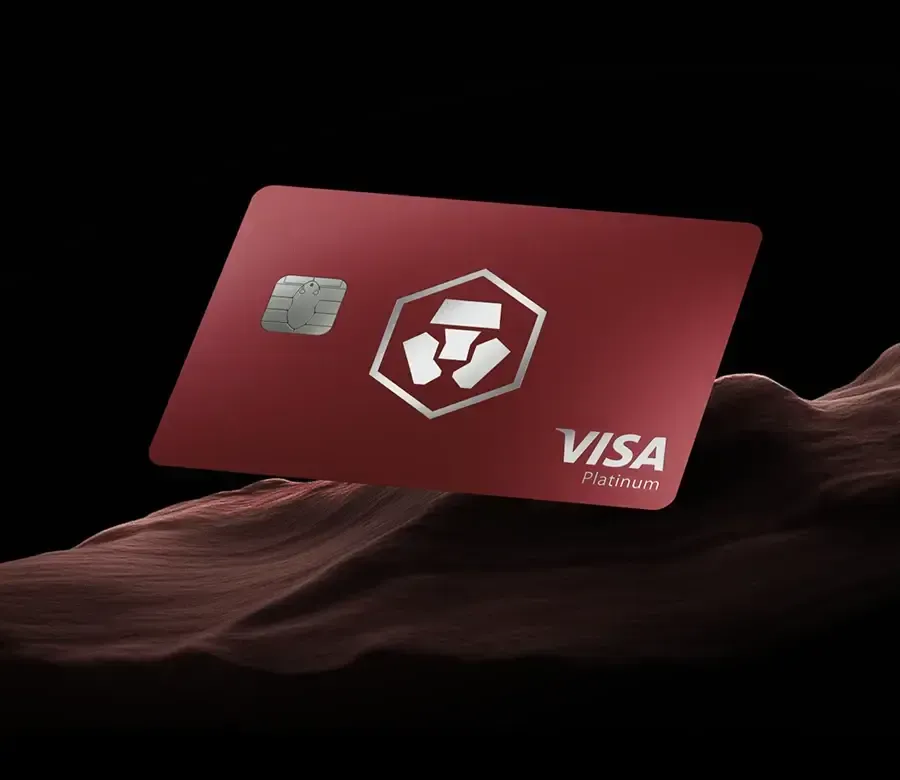
PLUS
2.0%
back in crypto · on every spend
€3.99 / month
or €39.90/year (€3.32/month)
Zero trading fees up to $20K/month
2.0% back in crypto on card spend
0% foreign exchange fees
EUR Cash Yield up to 1.35% p.a.
CRO Yield up to 2.00% p.a.
Virtual Visa card · Flexible cancel
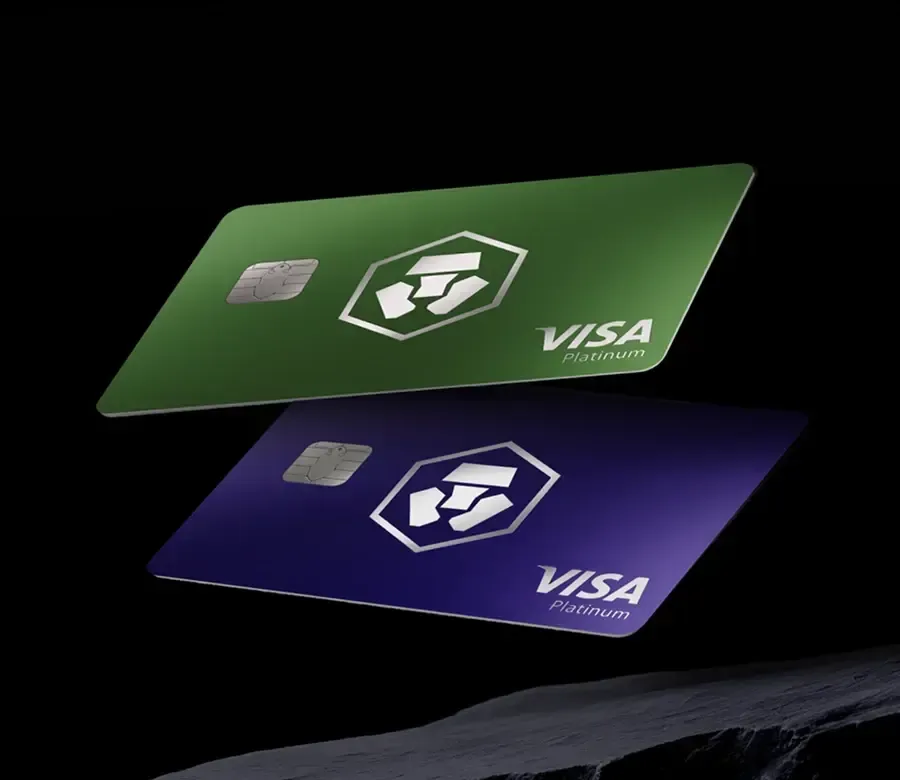
PRO
3.0%
back in crypto · on every spend
€24.99 / month
or €249.90/year (€20.82/month)
Zero trading fees up to $50K/month
3.0% back in crypto on card spend
0% foreign exchange fees
EUR Cash Yield up to 1.70% p.a.
CRO Yield up to 2.50% p.a.
Airport lounge access (Priority Pass)
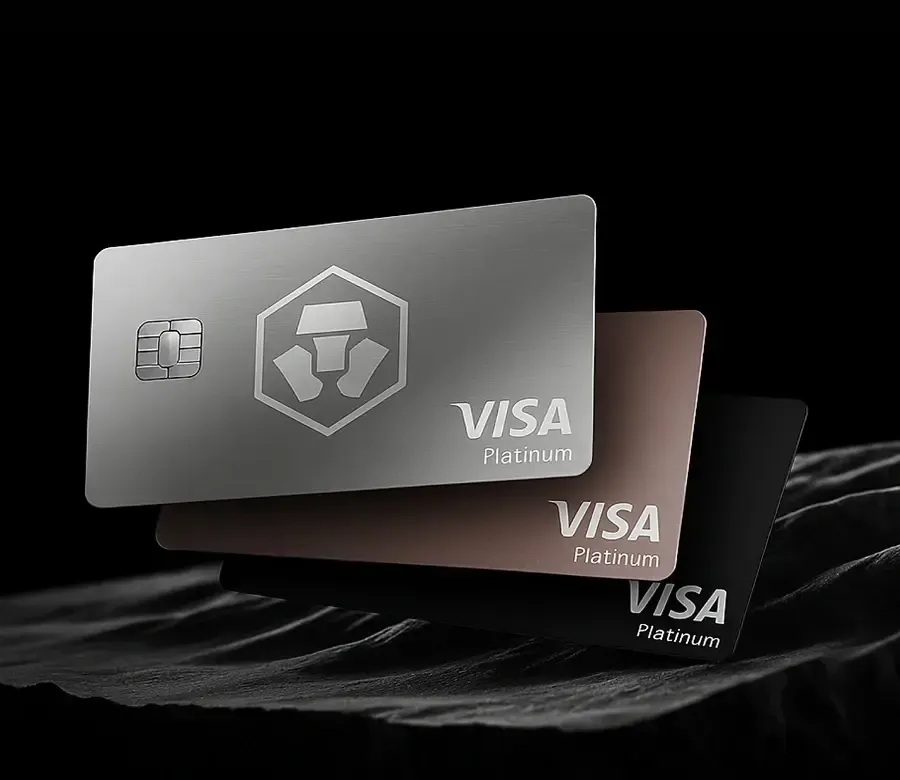
PRIVATE
4–6%
back in crypto · on every spend
CRO Lockup from €45,000
8.5% yield · 12-month staking · €450K tier at 9.5%
Zero trading fees · Unlimited volume
4.0%–6.0% back in crypto
0% foreign exchange fees
EUR Cash Yield up to 1.80% p.a.
Extra 1% p.a. on Earn allocations in CRO
VIP events · Exclusive experiences
8.5% CRO lockup rewards