
NWS / NWSA (Nasdaq) — News Corp parent · New York, New York
The Wall Street Journal (Dow Jones)
Charles Dow and Edward Jones started a newsletter in 1889. Became the definitive record of global capitalism. Now part of Rupert Murdoch's empire.
Live Price
—
Today
—
Symbol
NWS / NWSA (Nasdaq) — News Corp parent
1889
A two-page bulletin from Broad Street
Charles Dow, Edward Jones, and Charles Bergstresser founded a financial news service in 1882 called Dow Jones & Company, distributing handwritten "flimsies" — two-page bulletins — by messenger boys to brokers on Wall Street. On July 8, 1889, they published the first edition of The Wall Street Journal, a four-page daily newspaper priced at two cents. Dow had already established the Dow Jones Industrial Average in 1896 — a numerical index of the stock prices of major companies that provided a daily summary of the market's movement. The Dow Jones Average and the Journal together defined the vocabulary of American financial reporting.
1941
The national newspaper — and the business beat as serious journalism
The Wall Street Journal became a national newspaper by 1941, when its circulation crossed 30,000 and its readers included business executives across the United States rather than just Wall Street traders. The paper pioneered a distinctive front-page format: two columns of news summaries on either side of a central "A-hed" story — a surprising, narrative-driven feature unrelated to markets or corporate news, typically running under a whimsical headline. The A-hed became one of American journalism's most distinctive genres: deeply reported, beautifully written, about something genuinely unexpected.
1980
The Dow Jones news empire — Barron's, the wire services
Dow Jones built one of the most valuable information businesses in the world around the Journal's prestige: the Dow Jones Newswires served professional investors and traders globally; Barron's (acquired 1921) served the sophisticated retail investor; Dow Jones Indices licensed the Dow Jones Industrial Average to financial products globally. The combination of real-time market data, authoritative financial news, and a benchmark index used in trillions of dollars of financial products gave Dow Jones a suite of revenue streams more durable than most media companies.
2007
Murdoch pays $5 billion — and the Bancroft family surrenders
Rupert Murdoch's News Corporation acquired Dow Jones & Company in 2007 for $5 billion — paying a significant premium to acquire the Journal's journalistic prestige and global news infrastructure. The Bancroft family, which had controlled Dow Jones since 1902, accepted the deal despite significant opposition from journalists and editors concerned about Murdoch's editorial interference record at other News Corp properties. The Journal's journalistic standards were protected by an editorial independence agreement, though critics maintained the paper subsequently moved in a more ideologically conservative direction on its opinion page.
2024
4.6 million WSJ subscribers — 5.9 million Dow Jones products — OpenAI partnership
The Wall Street Journal had over 4.6 million total subscribers in early 2026, with the vast majority digital. Total Dow Jones consumer product subscriptions (including Barron's, MarketWatch, and other titles) reached 6.4 million digital subscribers. News Corp signed a landmark multi-year partnership with OpenAI in 2024, granting OpenAI access to Wall Street Journal and News Corp content for AI training in exchange for financial compensation — one of the first major licensing deals between a traditional news organisation and an AI company. The newspaper that Charles Dow had founded to deliver hand-written bulletins to Wall Street brokers was now licensing its journalism to train the AI systems that might replace some of the journalists who wrote it.
Frequently Asked Questions
Who founded The Wall Street Journal (Dow Jones)?
The Wall Street Journal (Dow Jones) was founded by Charles Dow, Edward Jones, Charles Bergstresser.
When was The Wall Street Journal (Dow Jones) founded?
The Wall Street Journal (Dow Jones) was founded in 1889.
Where was The Wall Street Journal (Dow Jones) founded?
The Wall Street Journal (Dow Jones) was headquartered in New York, New York.
Why was The Wall Street Journal (Dow Jones) created?
Charles Dow, Edward Jones, and Charles Bergstresser founded a financial news service in 1882 called Dow Jones & Company, distributing handwritten "flimsies" — two-page bulletins — by messenger boys to brokers on Wall Street. On July 8, 1889, they published the first edition of The Wall Street Journal, a four-page daily newspaper priced at two cents. Dow had already established the Dow Jones Industrial Average in 1896 — a numerical index of the stock prices of major companies that provided a daily summary of the market's movement. The Dow Jones Average and the Journal together defined the vocabulary of American financial reporting.
What does The Wall Street Journal (Dow Jones) do?
Charles Dow and Edward Jones started a newsletter in 1889. Became the definitive record of global capitalism. Now part of Rupert Murdoch's empire. Charles Dow started a hand-delivered newsletter in 1882. Built the definitive voice of global capitalism. Rupert Murdoch paid $5B for it. 4.6 million subscribers. The full story.
How did The Wall Street Journal (Dow Jones) grow?
The Wall Street Journal had over 4.6 million total subscribers in early 2026, with the vast majority digital. Total Dow Jones consumer product subscriptions (including Barron's, MarketWatch, and other titles) reached 6.4 million digital subscribers. News Corp signed a landmark multi-year partnership with OpenAI in 2024, granting OpenAI access to Wall Street Journal and News Corp content for AI training in exchange for financial compensation — one of the first major licensing deals between a traditional news organisation and an AI company. The newspaper that Charles Dow had founded to deliver hand-written bulletins to Wall Street brokers was now licensing its journalism to train the AI systems that might replace some of the journalists who wrote it.
Tools & Platforms
For Investors
The market doesn't care about your feelings.
But your broker's fees do.
But your broker's fees do.
Most people have a brokerage account. Fewer understand what it really costs them — in spreads, in fees, in missed instruments. Malta-regulated, direct market access, 600,000+ instruments.
Exante
Malta MFSA · 50 exchanges
Tickmill
Forex from 0.0 pips
Vantage
Multi-asset trading
Polymarket
Prediction markets
For Entrepreneurs
Opening a US company costs $300.
Most people think it's complicated. It isn't.
Most people think it's complicated. It isn't.
Most founders spend weeks on formation, banking and payments. The ones who move fast know which tools to use before they start. A US LLC, a real business account, and a way to pay people — in that order.
Mercury
Business finance · 300K+ founders
Doola
US LLC formation · YC backed
Melio
B2B payments
Xero 95% OFF
Accounting · 6 months
For C-Suite
Your competitor pays $200 less per month for EOR.
You're still on a spreadsheet.
You're still on a spreadsheet.
BVNK hired 20% of its workforce through Deel. The smartest operators aren't managing payroll complexity — they're outsourcing it. EOR in 150+ countries, multi-currency accounts, workforce payments at $200 less per month than competitors.
Deel
EOR · 150+ countries
Payoneer
$399/mo EOR · Save $200
Wise Business
40+ currencies · No hidden fees
Gusto
US payroll & benefits
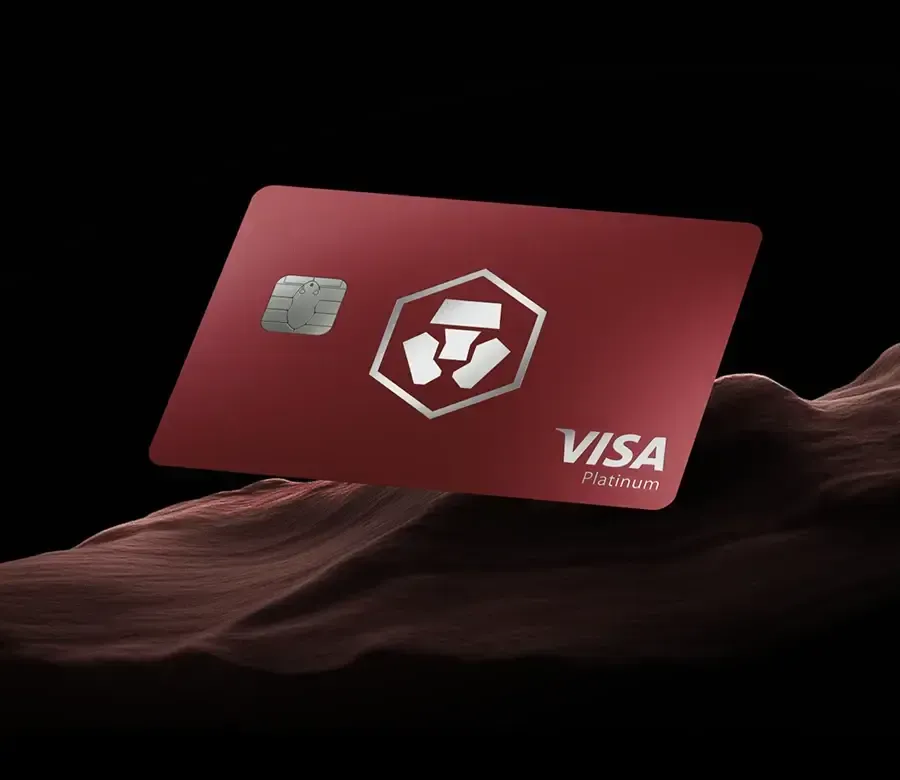
PLUS
2.0%
back in crypto · on every spend
€3.99 / month
or €39.90/year (€3.32/month)
Zero trading fees up to $20K/month
2.0% back in crypto on card spend
0% foreign exchange fees
EUR Cash Yield up to 1.35% p.a.
CRO Yield up to 2.00% p.a.
Virtual Visa card · Flexible cancel
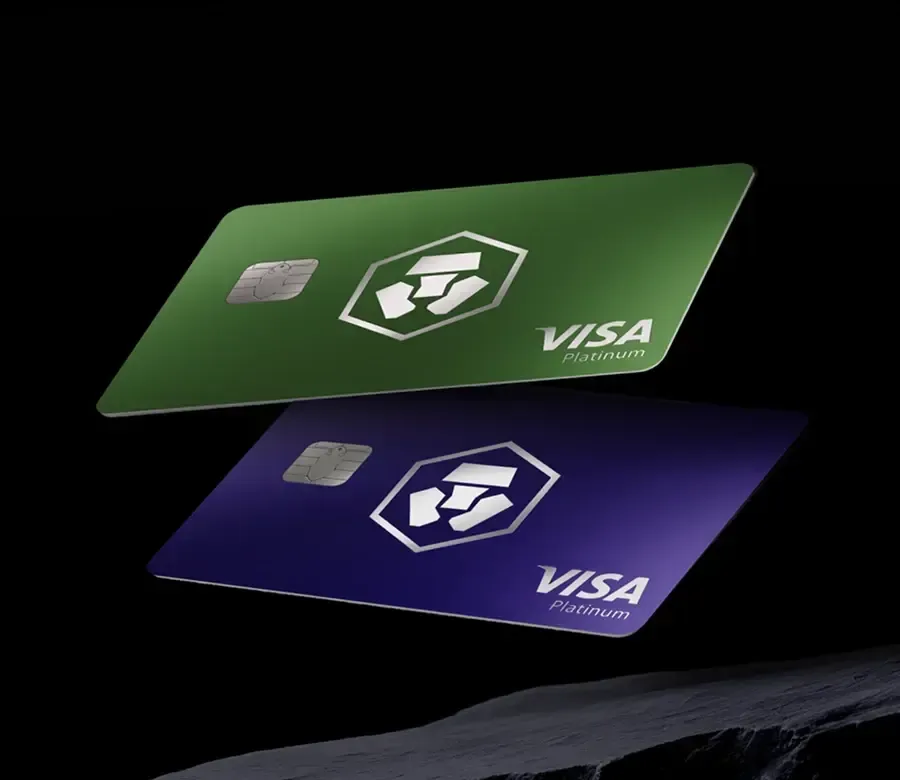
PRO
3.0%
back in crypto · on every spend
€24.99 / month
or €249.90/year (€20.82/month)
Zero trading fees up to $50K/month
3.0% back in crypto on card spend
0% foreign exchange fees
EUR Cash Yield up to 1.70% p.a.
CRO Yield up to 2.50% p.a.
Airport lounge access (Priority Pass)
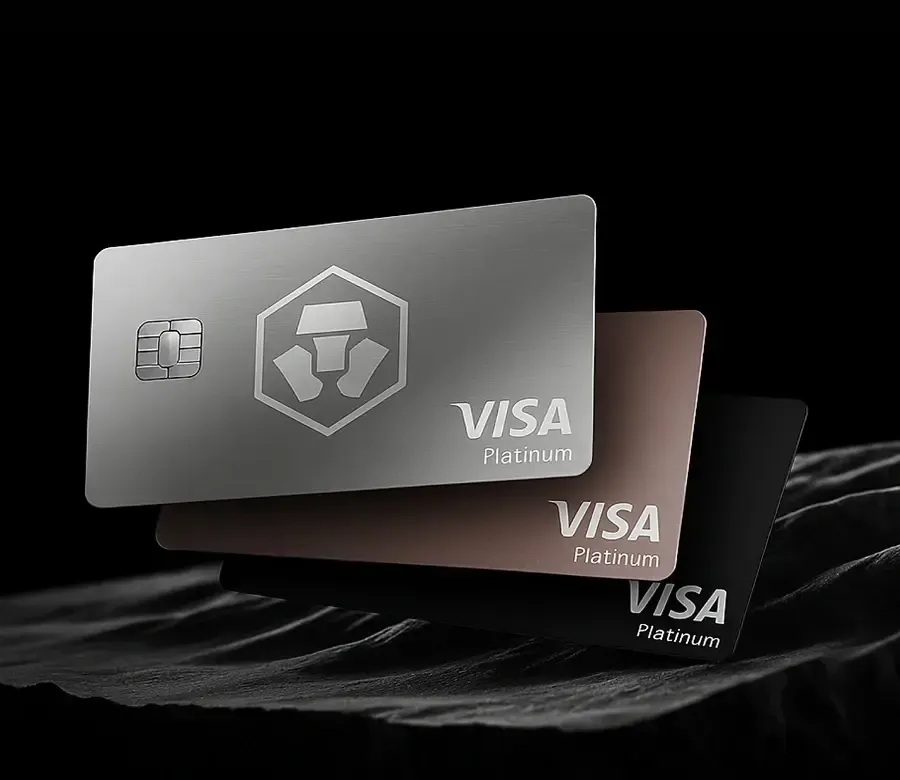
PRIVATE
4–6%
back in crypto · on every spend
CRO Lockup from €45,000
8.5% yield · 12-month staking · €450K tier at 9.5%
Zero trading fees · Unlimited volume
4.0%–6.0% back in crypto
0% foreign exchange fees
EUR Cash Yield up to 1.80% p.a.
Extra 1% p.a. on Earn allocations in CRO
VIP events · Exclusive experiences
8.5% CRO lockup rewards