
PRIVATE · Cincinnati, Ohio / London, United Kingdom
Worldpay
Pioneered the world's very first internet store transaction in 1994, becoming a pawn in a $43 billion corporate chess game.
Live Price
—
Today
—
Symbol
PRIVATE
1994
Processing the planet's first online shop purchase
The technological foundation of Worldpay was laid by UK tech pioneer Nick Ogden, who launched the world's first electronic bookstore system, intermediate, in 1994. To process payments over the early, unregulated web, he developed Worldpay, which executed the planet's very first secure online credit card transaction. The platform grew rapidly as thousands of nascent dot-com companies flooded onto the web, prompting the Royal Bank of Scotland (RBS) to purchase the processing company in 2002 to turn it into their core electronic acquiring engine.
2010
The financial crisis forced antitrust spin-off
Following the near-collapse of the Royal Bank of Scotland during the 2008 global financial crisis, the European Commission hit the bailed-out bank with strict antitrust penalties. RBS was legally ordered to spin off Worldpay to promote market competition, leading to a buyout by private equity firms Advent International and Bain Capital for £2 billion in 2010. The private equity owners aggressively stripped out legacy bank overhead, upgraded the merchant software systems, and took Worldpay public on the London Stock Exchange in 2015.
2019
The historic $43 billion mega-acquisition bubble
In March 2019, US financial technology giant FIS (Fidelity National Information Services) executed one of the largest acquisitions in global fintech history by purchasing Worldpay for a jaw-dropping $43 billion in cash and stock. FIS aimed to create a massive, end-to-end global processing monopoly combining merchant acquiring, banking rails, and card issuing. However, the corporate integration was plagued by immense administrative friction, and the rise of agile, cloud-native tech competitors like Stripe heavily eroded Worldpay's market share.
2024
The humiliating multi-billion dollar corporate divorce
Just four years after buying the processing company at the top of the market cycle, FIS management admitted the acquisition was a massive mistake. In early 2024, under severe pressure from activist hedge fund investors, FIS completed a dramatic corporate divorce, fire-selling a 55% majority stake in Worldpay back to private equity giant GTCR at a total implied valuation of $18.5 billion. This massive multi-billion dollar asset write-down represented a devastating blow to FIS's balance sheet but allowed Worldpay to break free from banking bureaucracy.
2026
The standalone infrastructure scale-up
By mid-2026, operating as a standalone corporate entity backed by GTCR's aggressive capital deployment, Worldpay stabilized its core merchant acquiring infrastructure, processing over $2.3 trillion in annualized transaction volume across 140 countries. Under CEO Charles Drucker, the firm completely modernized its point-of-sale hardware software layers, migrating brick-and-mortar legacy merchant terminals to cloud-native systems. Total operational revenue reached $4.9 billion, maintaining a solid monopoly over massive global physical retail and gaming enterprise networks.
Frequently Asked Questions
Who founded Worldpay?
Worldpay was founded by Nick Ogden (Founder of original electronic platform).
When was Worldpay founded?
Worldpay was founded in 1989.
Where was Worldpay founded?
Worldpay was headquartered in Cincinnati, Ohio / London, United Kingdom.
Why was Worldpay created?
The technological foundation of Worldpay was laid by UK tech pioneer Nick Ogden, who launched the world's first electronic bookstore system, intermediate, in 1994. To process payments over the early, unregulated web, he developed Worldpay, which executed the planet's very first secure online credit card transaction. The platform grew rapidly as thousands of nascent dot-com companies flooded onto the web, prompting the Royal Bank of Scotland (RBS) to purchase the processing company in 2002 to turn it into their core electronic acquiring engine.
What does Worldpay do?
Pioneered the world's very first internet store transaction in 1994, becoming a pawn in a $43 billion corporate chess game. Worldpay processed the planet's first secure online credit card transaction in 1994 before becoming a pawn in a $43B corporate chess game. Read the story.
How did Worldpay grow?
By mid-2026, operating as a standalone corporate entity backed by GTCR's aggressive capital deployment, Worldpay stabilized its core merchant acquiring infrastructure, processing over $2.3 trillion in annualized transaction volume across 140 countries. Under CEO Charles Drucker, the firm completely modernized its point-of-sale hardware software layers, migrating brick-and-mortar legacy merchant terminals to cloud-native systems. Total operational revenue reached $4.9 billion, maintaining a solid monopoly over massive global physical retail and gaming enterprise networks.
Tools & Platforms
For Investors
The market doesn't care about your feelings.
But your broker's fees do.
But your broker's fees do.
Most people have a brokerage account. Fewer understand what it really costs them — in spreads, in fees, in missed instruments. Malta-regulated, direct market access, 600,000+ instruments.
Exante
Malta MFSA · 50 exchanges
Tickmill
Forex from 0.0 pips
Vantage
Multi-asset trading
Polymarket
Prediction markets
For Entrepreneurs
Opening a US company costs $300.
Most people think it's complicated. It isn't.
Most people think it's complicated. It isn't.
Most founders spend weeks on formation, banking and payments. The ones who move fast know which tools to use before they start. A US LLC, a real business account, and a way to pay people — in that order.
Mercury
Business finance · 300K+ founders
Doola
US LLC formation · YC backed
Melio
B2B payments
Xero 95% OFF
Accounting · 6 months
For C-Suite
Your competitor pays $200 less per month for EOR.
You're still on a spreadsheet.
You're still on a spreadsheet.
BVNK hired 20% of its workforce through Deel. The smartest operators aren't managing payroll complexity — they're outsourcing it. EOR in 150+ countries, multi-currency accounts, workforce payments at $200 less per month than competitors.
Deel
EOR · 150+ countries
Payoneer
$399/mo EOR · Save $200
Wise Business
40+ currencies · No hidden fees
Gusto
US payroll & benefits
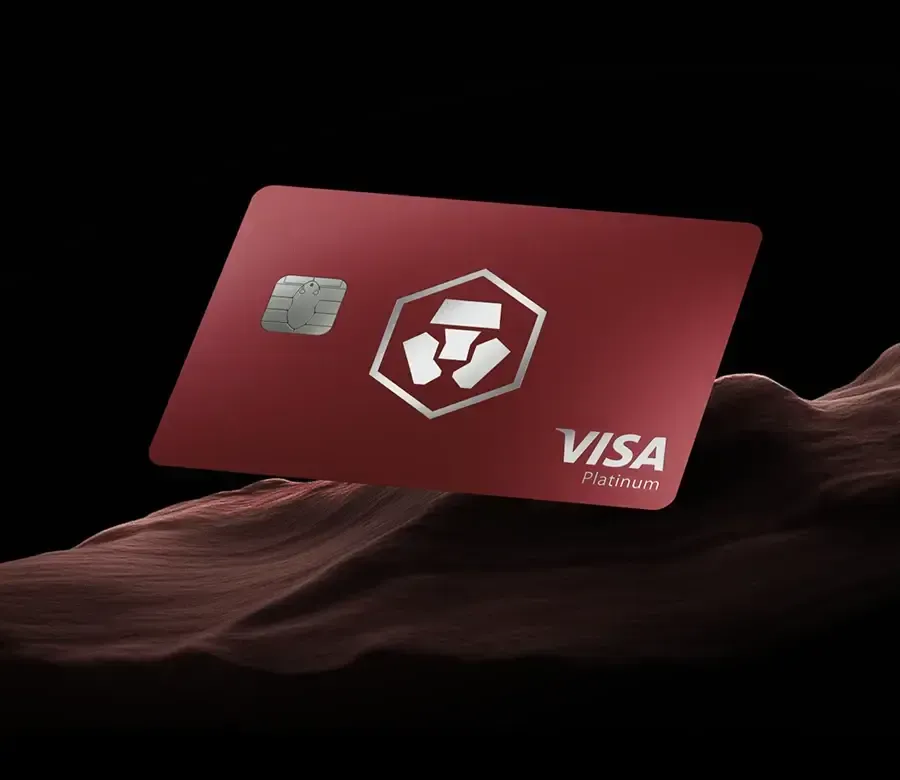
PLUS
2.0%
back in crypto · on every spend
€3.99 / month
or €39.90/year (€3.32/month)
Zero trading fees up to $20K/month
2.0% back in crypto on card spend
0% foreign exchange fees
EUR Cash Yield up to 1.35% p.a.
CRO Yield up to 2.00% p.a.
Virtual Visa card · Flexible cancel
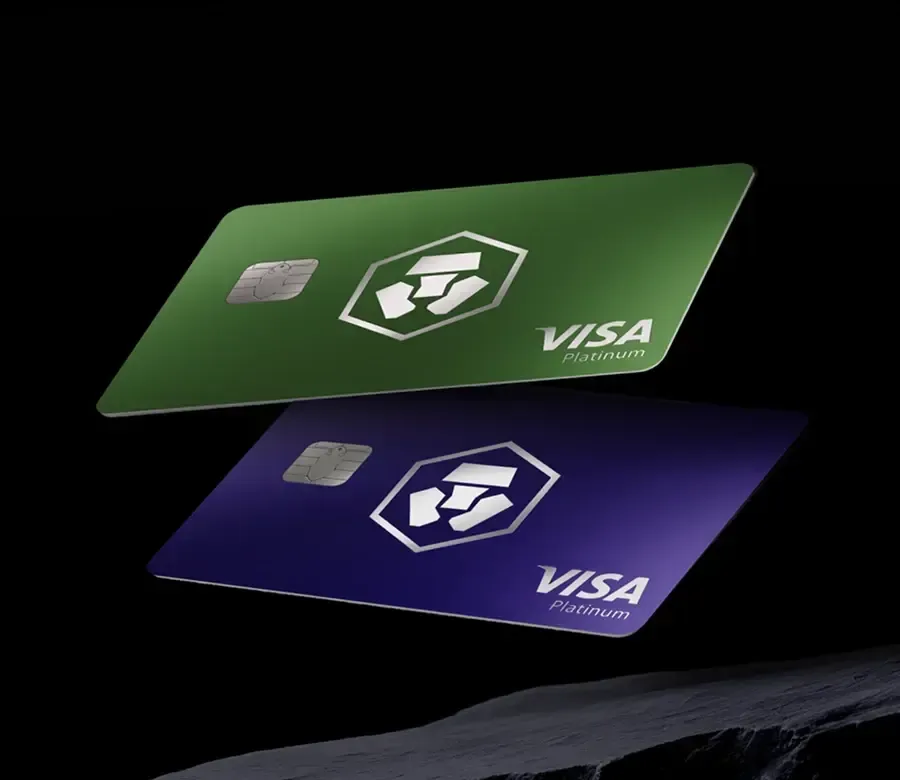
PRO
3.0%
back in crypto · on every spend
€24.99 / month
or €249.90/year (€20.82/month)
Zero trading fees up to $50K/month
3.0% back in crypto on card spend
0% foreign exchange fees
EUR Cash Yield up to 1.70% p.a.
CRO Yield up to 2.50% p.a.
Airport lounge access (Priority Pass)
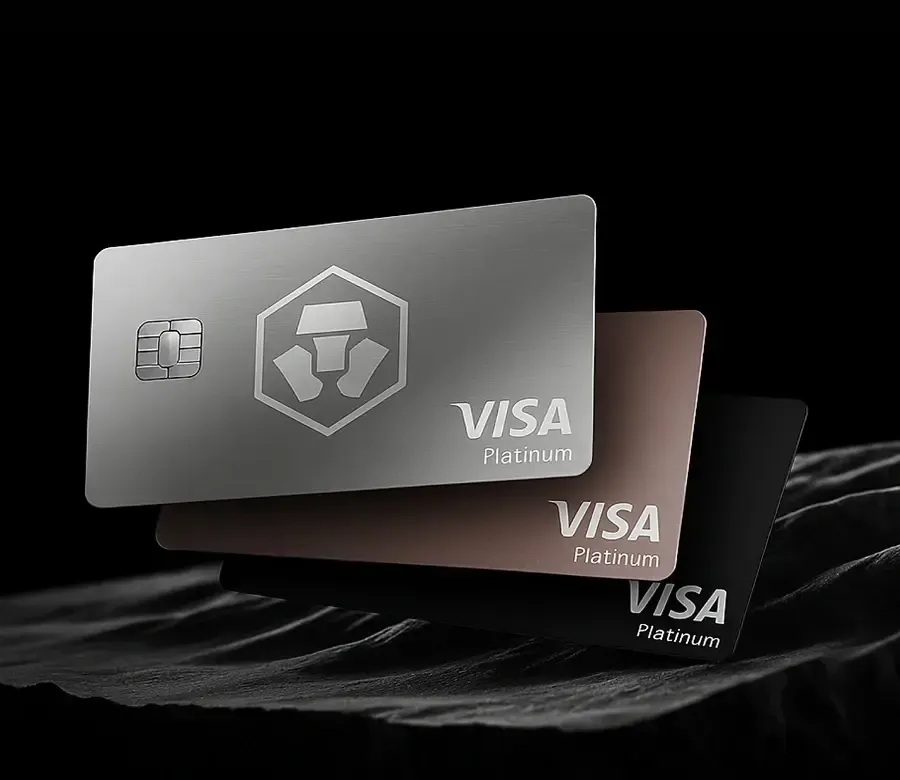
PRIVATE
4–6%
back in crypto · on every spend
CRO Lockup from €45,000
8.5% yield · 12-month staking · €450K tier at 9.5%
Zero trading fees · Unlimited volume
4.0%–6.0% back in crypto
0% foreign exchange fees
EUR Cash Yield up to 1.80% p.a.
Extra 1% p.a. on Earn allocations in CRO
VIP events · Exclusive experiences
8.5% CRO lockup rewards
Also in The Garage
Adyen
Built behind a quiet Amsterdam canal to replace global banking spaghetti. The silent engine behind Netflix and Uber.
Stripe
Two Irish brothers solved payments in a weekend. Now processing $1.9 trillion a year.