He Bought OnlyFans for Almost Nothing. Then He Took $700 Million Out of It. Then He Died.

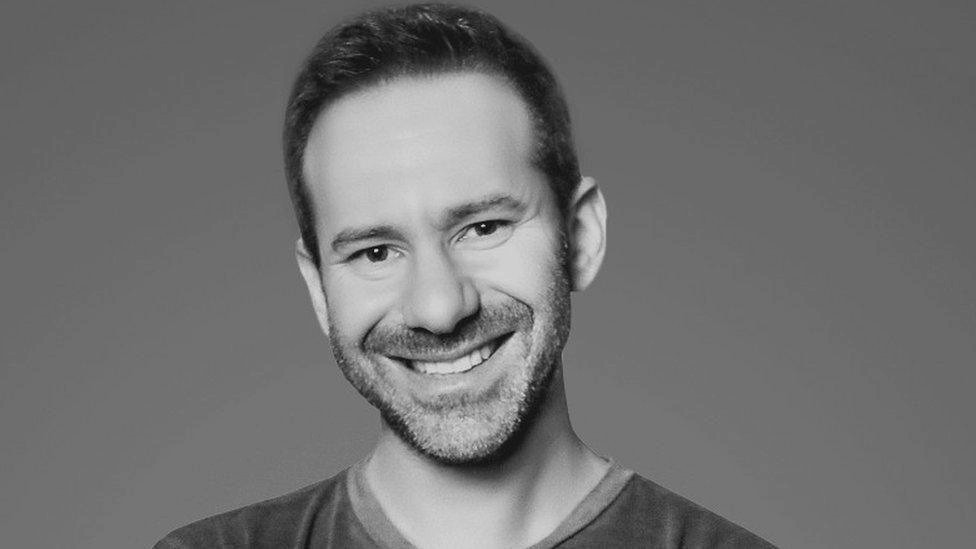
Tim Stokely built OnlyFans in 2016 in his spare room in London. His father helped finance it. The original idea was not what you think — it was a subscription platform for any kind of creator: fitness instructors, musicians, chefs, anyone who wanted to charge their audience directly for content.
The adult content found its way in anyway. It always does on platforms that allow it. And once it arrived, it stayed — because adult creators were willing to pay, willing to subscribe, and willing to generate the kind of transaction volume that makes a platform financially interesting.
By 2018, OnlyFans had something valuable: a functioning payment infrastructure for subscription content, a growing creator base, and a model that worked. What it didn't have was someone who fully understood what it could become.
Leonid Radvinsky did.
The Man Nobody Talked About
Radvinsky was Ukrainian-American, raised in Chicago, and almost entirely unknown to the general public despite running one of the most visited websites in the world. He bought a 75% stake in Fenix International — the parent company of OnlyFans — from Tim Stokely and his father in 2018. The purchase price has never been disclosed. At the time, OnlyFans was not the platform it became. The price was almost certainly a fraction of what it was worth five years later.
He had been running Leo, a venture capital fund focused on technology investments, since 2009. He understood internet businesses. He understood subscription models. He understood what it meant to have a platform where the transaction was between creator and audience and the platform simply took its cut — 20%, in OnlyFans' case — on everything that moved through it.
Under his ownership, OnlyFans stopped trying to be everything. It became the adult content platform. The ambiguity went away. The creators who wanted to monetize explicit content had a home that was explicit about it. The audience knew what they were paying for. The platform knew what it was.
This clarity — uncomfortable as it made some people — turned out to be the product decision that made everything else work.
The Numbers That Don't Make Sense Until They Do
300 million registered users. Over $1 billion in annual revenue. Fewer than 1,500 employees.
That last number is the one that matters for understanding what kind of business this actually was. OnlyFans generates more revenue per employee than almost any company in the world. The creators — millions of them — are not employees. They are the product. They bear the cost of production. They attract their own audiences. They handle their own marketing. The platform provides the infrastructure, takes 20% of every transaction, and does not have to pay for any of the content it distributes.
This is the creator economy model taken to its logical extreme. The platform builds the rails. Everyone else pays to run on them.
Radvinsky took $497 million in dividends in the fiscal year ending November 2024. He took $535 million in the fiscal year ending November 2025. In the first three months of 2026 — while he was dying — the company paid him four additional tranches totaling $174 million.
He died in March 2026 at 43 years old. The company he had owned for eight years had paid him approximately $700 million in the final year of his life.
OnlyFans had been exploring a majority stake sale to Architect Capital at a valuation of approximately $5.5 billion. His shares, held in the LR Fenix Trust, passed to his widow, Yekaterina Chudnovsky, who had been his de facto business partner. The question of what happens next to the platform he quietly built into a billion-dollar machine is still open.
What Tim Stokely Did Next
Tim Stokely stepped down as CEO of OnlyFans in December 2021. He had founded the platform, built the initial infrastructure, and sold the majority stake to Radvinsky three years earlier. By the time he left, OnlyFans was already in the middle of its most turbulent period — the moment in 2021 when the platform announced it would ban explicit content to secure banking relationships, then reversed the decision four days later after creator outcry.

Stokely has said publicly that the banking problem was real and persistent. Major payment processors — Mastercard, Visa — had tightened their policies on adult content platforms. OnlyFans spent years navigating relationships with financial institutions that were uncomfortable with what the platform had become, even as those same institutions processed the transactions that generated its revenue.
In 2025, Stokely launched Subs.com — a creator-first platform designed for all types of creators, not just adult content. The pitch is broader monetization tools across genres. The implicit message is that OnlyFans, as it exists today, is a specific thing, and there is a market for something different: a platform that does what the original OnlyFans was supposed to do before the adult content arrived and became the whole point.
Whether Subs.com becomes that platform remains to be seen. Stokely knows better than most people how hard it is to build creator monetization infrastructure from scratch. He also knows what it looks like when it works.
The Creator Economy and the Infrastructure Question
OnlyFans is the most extreme example of a model that is now everywhere. Substack takes a percentage of subscription revenue. Patreon takes a percentage. YouTube takes a percentage. Every platform that hosts creators and facilitates transactions between creators and audiences is, at its core, running the same business: build the rails, take the cut, scale.
The creators on these platforms face the same fundamental challenge regardless of which platform they use: how do you reach an audience, convert them to paying subscribers, retain them, and grow? The platform provides the transaction infrastructure. Everything else — the content, the community, the communication — is the creator's problem.
This is where the tools matter.
What the Story Actually Is
The easy version of the OnlyFans story is about adult content. That version is not wrong, but it misses the more interesting point.
OnlyFans is a story about what happens when you find a market that existing platforms won't serve, build the infrastructure to serve it properly, and take 20% of everything that moves through it. The adult content is specific. The business model is universal.
Radvinsky understood this when he bought the platform in 2018. He didn't change the product significantly. He committed to what it was, removed the ambiguity, and let the creators and their audiences do the rest. Eight years later, he had taken $700 million out of a business he bought for an undisclosed sum that was almost certainly measured in the tens of millions at most.
He died at 43. His widow controls the platform. Tim Stokely, who built the original thing, is building something new.
The platform itself keeps running. 300 million users. $1 billion in annual revenue. Fewer than 1,500 employees. The rails keep working. The cut keeps coming.
That is the business Leonid Radvinsky built. That is the business he left behind.
FreeMalta covers company founding stories and IPO watch at freemalta.com/markets/company-stories/onlyfans and freemalta.com/hub/ipo-watch/onlyfans.