
AMZN · San Francisco, California
Twitch (Amazon)
The digital stage that turned the act of "watching someone else play a game" into a massive, live-interactive, global entertainment industry.
Live Price
—
Today
—
Symbol
AMZN
2011
The Justin.tv pivot
Twitch started as a sub-section of a "life-casting" site called Justin.tv. When the founders noticed that the gaming category was growing faster than anything else, they made the bold decision to pivot the entire company toward gaming. It was a perfect, fortuitous bet: they found a passionate audience that was being ignored by cable television.
2014
The historic Amazon acquisition
Amazon acquired Twitch for nearly $1 billion, a move that stunned the media industry. At the time, critics didn’t understand why Amazon wanted a gaming-stream site. But Amazon saw the potential for Twitch to become the "live" interactive storefront for everything from software to electronics, using it as a massive, real-time marketing channel for its broader digital ecosystem.
2020
The pandemic-era social explosion
During the global lockdowns, Twitch transcended gaming. It became the default social space for music, art, cooking, and politics. By offering a "live-interaction" format—where the streamer and the audience were constantly communicating in real-time—it created a sense of intimacy that traditional, pre-recorded streaming (like Netflix) couldn’t match. The platform exploded in popularity, becoming a foundational layer of modern, live social media.
2023
The creator-economy profitability struggle
As Twitch grew, it faced the intense, difficult economics of running the world’s largest, live-video, high-bandwidth service. The cost of bandwidth and server infrastructure became a massive drag on profitability. The platform began aggressively experimenting with new monetization models, like shared advertising revenue, creator subscriptions, and e-commerce integration, in a permanent struggle to achieve sustainable, long-term health.
2026
The essential hub of live interaction
By mid-2026, Twitch is the definitive infrastructure for live, interactive, digital entertainment. It is no longer "just for gaming"; it is the primary stage for any creator who needs real-time, audience-involved interaction. While it faces high operational costs, its position as a central, interactive social utility in the digital-first era remains entirely unchallenged.
Frequently Asked Questions
Who founded Twitch (Amazon)?
Twitch (Amazon) was founded by Justin Kan, Emmett Shear.
When was Twitch (Amazon) founded?
Twitch (Amazon) was founded in 2011.
Where was Twitch (Amazon) founded?
Twitch (Amazon) was headquartered in San Francisco, California.
Why was Twitch (Amazon) created?
Twitch started as a sub-section of a "life-casting" site called Justin.tv. When the founders noticed that the gaming category was growing faster than anything else, they made the bold decision to pivot the entire company toward gaming. It was a perfect, fortuitous bet: they found a passionate audience that was being ignored by cable television.
What does Twitch (Amazon) do?
The digital stage that turned the act of "watching someone else play a game" into a massive, live-interactive, global entertainment industry. Explore the story of Twitch, from its origins as a niche gaming site to becoming the global infrastructure for live, interactive, creator-led entertainment.
How did Twitch (Amazon) grow?
By mid-2026, Twitch is the definitive infrastructure for live, interactive, digital entertainment. It is no longer "just for gaming"; it is the primary stage for any creator who needs real-time, audience-involved interaction. While it faces high operational costs, its position as a central, interactive social utility in the digital-first era remains entirely unchallenged.
Tools & Platforms
For Investors
The market doesn't care about your feelings.
But your broker's fees do.
But your broker's fees do.
Most people have a brokerage account. Fewer understand what it really costs them — in spreads, in fees, in missed instruments. Malta-regulated, direct market access, 600,000+ instruments.
Exante
Malta MFSA · 50 exchanges
Tickmill
Forex from 0.0 pips
Vantage
Multi-asset trading
Polymarket
Prediction markets
For Entrepreneurs
Opening a US company costs $300.
Most people think it's complicated. It isn't.
Most people think it's complicated. It isn't.
Most founders spend weeks on formation, banking and payments. The ones who move fast know which tools to use before they start. A US LLC, a real business account, and a way to pay people — in that order.
Mercury
Business finance · 300K+ founders
Doola
US LLC formation · YC backed
Melio
B2B payments
Xero 95% OFF
Accounting · 6 months
For C-Suite
Your competitor pays $200 less per month for EOR.
You're still on a spreadsheet.
You're still on a spreadsheet.
BVNK hired 20% of its workforce through Deel. The smartest operators aren't managing payroll complexity — they're outsourcing it. EOR in 150+ countries, multi-currency accounts, workforce payments at $200 less per month than competitors.
Deel
EOR · 150+ countries
Payoneer
$399/mo EOR · Save $200
Wise Business
40+ currencies · No hidden fees
Gusto
US payroll & benefits
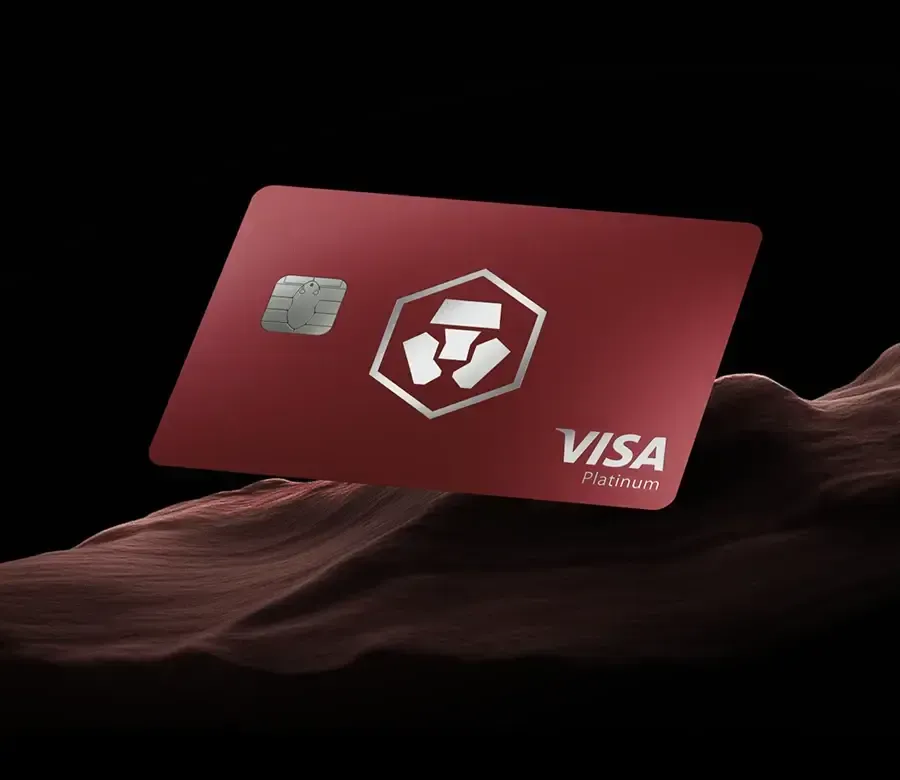
PLUS
2.0%
back in crypto · on every spend
€3.99 / month
or €39.90/year (€3.32/month)
Zero trading fees up to $20K/month
2.0% back in crypto on card spend
0% foreign exchange fees
EUR Cash Yield up to 1.35% p.a.
CRO Yield up to 2.00% p.a.
Virtual Visa card · Flexible cancel
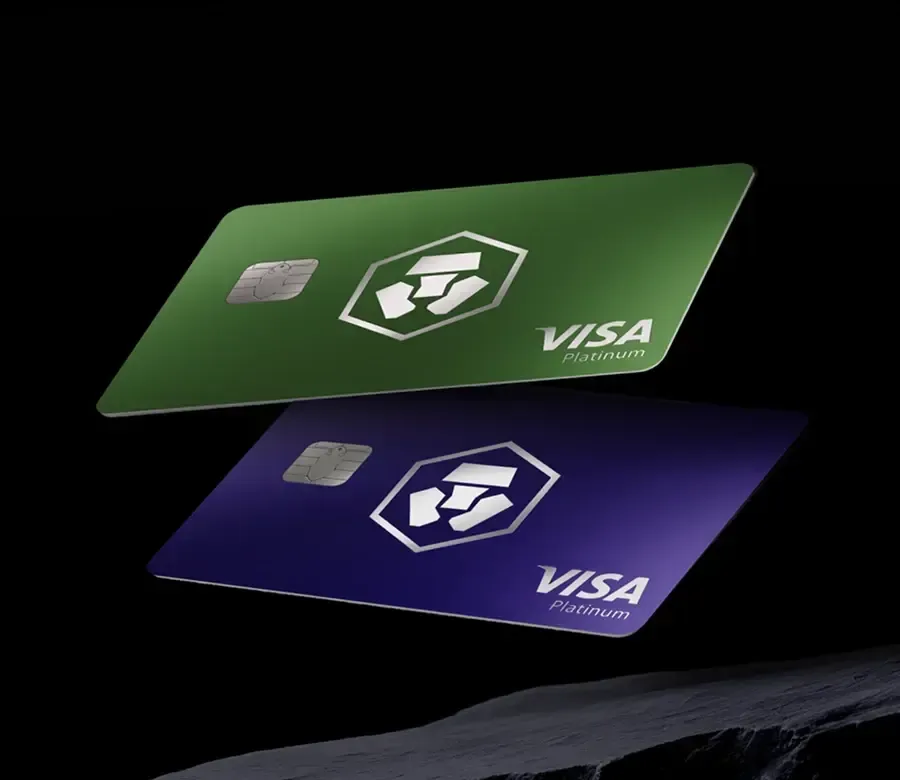
PRO
3.0%
back in crypto · on every spend
€24.99 / month
or €249.90/year (€20.82/month)
Zero trading fees up to $50K/month
3.0% back in crypto on card spend
0% foreign exchange fees
EUR Cash Yield up to 1.70% p.a.
CRO Yield up to 2.50% p.a.
Airport lounge access (Priority Pass)
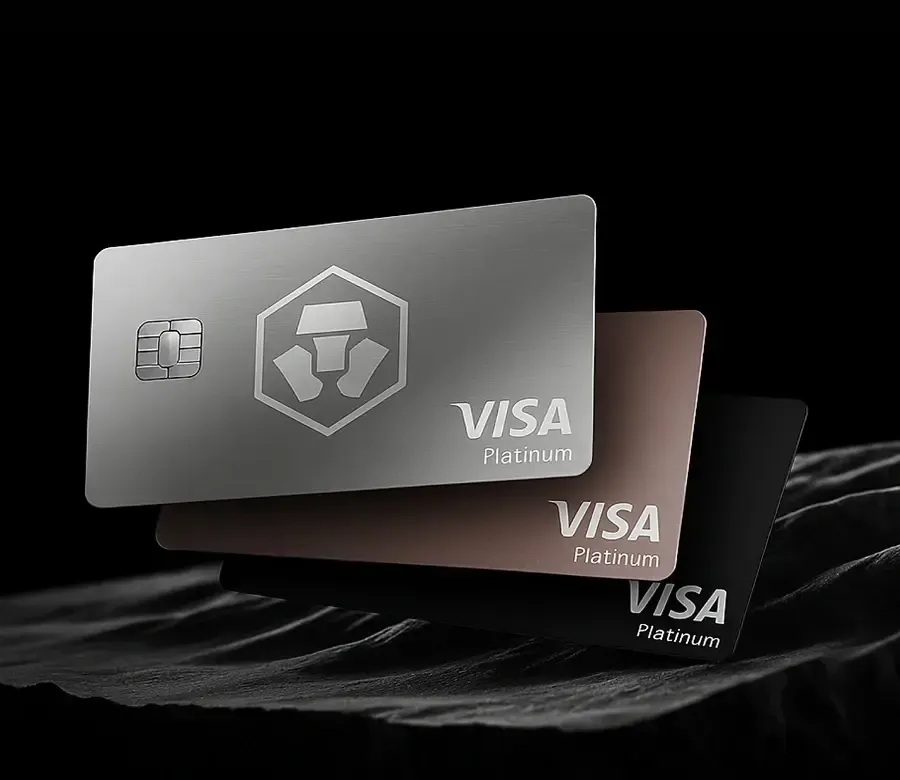
PRIVATE
4–6%
back in crypto · on every spend
CRO Lockup from €45,000
8.5% yield · 12-month staking · €450K tier at 9.5%
Zero trading fees · Unlimited volume
4.0%–6.0% back in crypto
0% foreign exchange fees
EUR Cash Yield up to 1.80% p.a.
Extra 1% p.a. on Earn allocations in CRO
VIP events · Exclusive experiences
8.5% CRO lockup rewards
Also in The Garage
YouTube
Three PayPal employees built YouTube in a garage in 2005. Google bought it for $1.65 billion in 2006. It now generates $36 billion a year and hosts 500 hours of video every minute.